
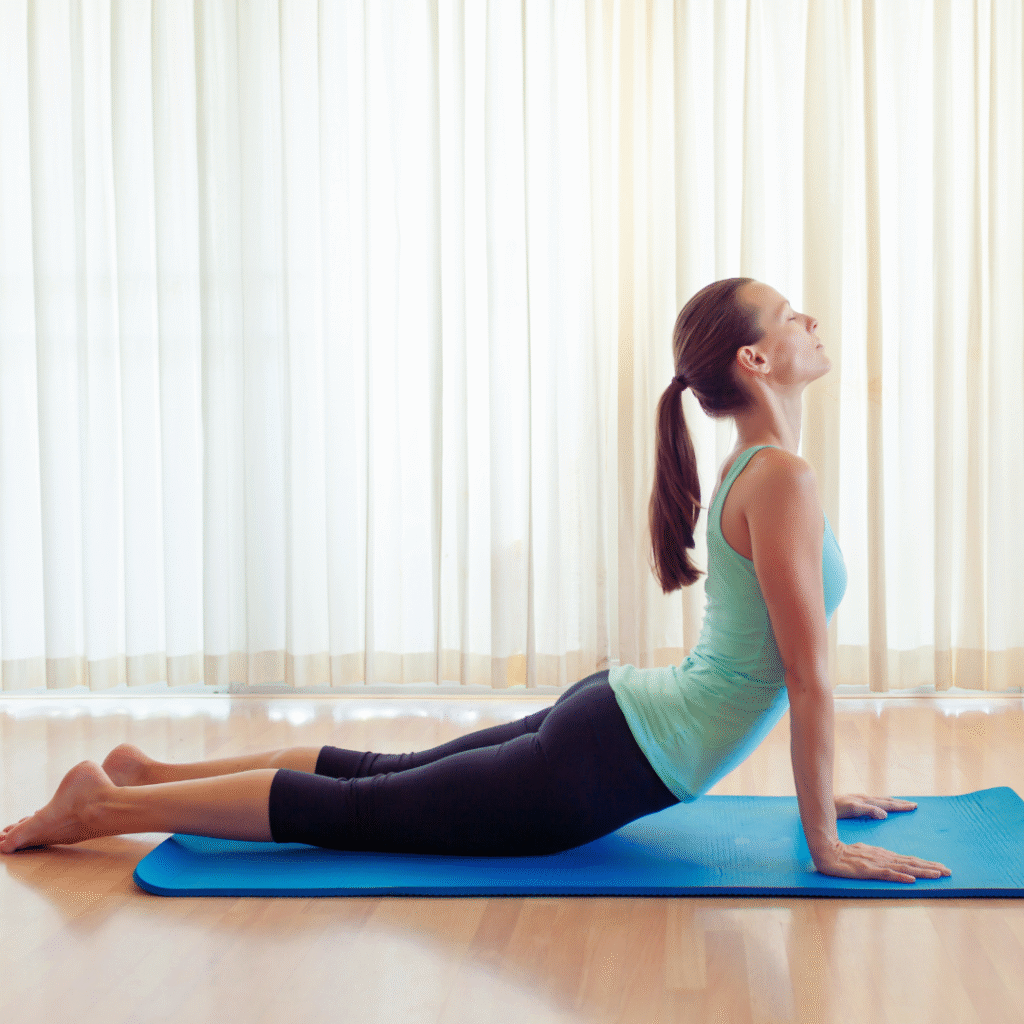
Stretching is often seen as an optional part of an exercise routine, but its significance should not be underestimated. Stretching plays a crucial role in improving flexibility, reducing the risk of injury, and enhancing overall athletic performance. With a proper stretching regimen, individuals can experience an increased range of motion and better muscle recovery.
Many people overlook the benefits of stretching, thinking it’s time wasted before and after workouts. Yet, those who incorporate it regularly into their fitness routines often notice improved posture and reduced muscle tension. This simple practice can have a profound impact on daily activities and quality of life.
Understanding the importance of stretching is essential for anyone looking to maintain an active lifestyle. By prioritizing stretching, individuals can support their physical health and potentially extend their exercise longevity.
The Overlooked Importance of Stretching
Stretching plays a crucial yet often underestimated role in physical well-being. It impacts flexibility, range of motion, and overall movement efficiency. Key aspects include its role beyond flexibility, how it supports daily activities, and common misconceptions that can hinder its practice.
Beyond Flexibility: What Stretching Really Does
Stretching offers benefits that extend far beyond mere flexibility. Engaging in regular stretching can enhance muscle function, leading to improved athletic performance. It increases blood flow to muscles, promoting recovery and reducing the risk of injuries.
Moreover, stretching aids in better alignment and posture. Muscles that are regularly stretched are more likely to maintain an optimal length, which can prevent postural imbalances. It helps in reducing tightness in areas commonly affected by prolonged sitting or repetitive activities.
How Stretching Supports Daily Movement
Incorporating stretching into daily routines can significantly improve movement quality. It increases the range of motion, allowing for smoother and more efficient movements in daily tasks. Activities such as bending, reaching, and lifting become easier when the muscles are properly conditioned.
Stretching also contributes to overall body awareness. By understanding how muscles respond and align, individuals can engage in movements with better control. This awareness helps to prevent injury and ensures that daily movements do not lead to strain or discomfort.
Misconceptions About Stretching
Despite its benefits, several misconceptions surround stretching. Many believe that it should only be performed before and after workouts, but integrating it into daily life is equally vital. Stretching can be beneficial even during breaks at work or while watching TV.
Another common myth is that stretching alone will significantly improve flexibility. While it is essential, stretching must be combined with strength training for optimal results. Without balanced muscle development, flexibility gains may not translate into improved physical function or reduced injury risk.
Key Benefits You Might Be Missing
Stretching offers numerous advantages that often go unrecognized. Beyond simple flexibility, it plays a crucial role in blood circulation, muscle recovery, and injury prevention, which are vital for maintaining a healthy body.
Enhancing Blood Flow and Circulation
Regular stretching significantly improves blood flow and circulation. It encourages arteries to expand, allowing for increased oxygen delivery to muscles and organs. Enhanced circulation is vital for optimal cardiovascular health.
When blood flow increases, nutrients are more readily transported to muscle tissues. This process helps in reducing muscle stiffness and tension. Furthermore, good circulation diminishes the risk of cardiovascular issues by lowering blood pressure and promoting heart health.
Stretching before and after exercise can activate blood vessels and improve performance. Engaging in static stretching or dynamic warm-ups prepares the body for more intense physical activity.
Supporting Muscle Recovery and Reducing Soreness
Stretching plays a vital role in muscle recovery by alleviating postoperative soreness. It helps maintain muscle elasticity, which can reduce muscle stiffness after strenuous workouts. Static stretching, in particular, can bring relief by elongating tight muscles.
Increased blood circulation during stretching aids nutrient delivery, which is essential for muscle repair. Recovery times can be significantly shortened with effective stretching routines.
Additionally, routine stretching can support joint health. It promotes the release of synovial fluid, which lubricates joints and can help in reducing pain associated with workouts or injuries.
Preventing Injuries and Chronic Pain
Incorporating stretching into a daily routine can prevent injuries. Muscles that are not flexible are more prone to strains or tears. Stretching increases flexibility, allowing for a greater range of motion in the joints.
By reducing muscle tension, stretching can minimize the chance of chronic pain. Many individuals experience discomfort due to tight muscles, often leading to issues like back pain or tension headaches. Regular stretching can target these areas effectively.
To maximize injury prevention, it’s advisable to stretch all major muscle groups. This practice can create more balanced body mechanics, reducing stress on any single muscle group.
Improving Posture and Alignment
Stretching contributes to better posture and alignment by targeting tight muscles that pull the body out of its neutral position. Many people today suffer from postural issues due to prolonged sitting or poor habits.
Regularly stretching the hip flexors, chest, and shoulders can correct imbalances. Improved flexibility in these areas reduces the likelihood of slouching or arching the back excessively.
Better posture can also contribute to overall well-being, including reduced back pain and improved respiratory function. A well-aligned body allows for more efficient movement and energy use throughout daily activities.
Types of Stretching and How to Use Them
Stretching can be categorized into different types, each serving distinct purposes. Understanding these types helps individuals use them effectively for various physical activities and goals.
Static vs Dynamic Stretching
Static stretching involves holding a stretch for a period, usually between 15 to 60 seconds. This technique is effective for increasing flexibility and should be performed after workouts to enhance recovery. Common static stretches target major muscle groups like hamstrings, quadriceps, and shoulders.
Dynamic stretching, on the other hand, incorporates movement and aims to prepare the muscles for activity. It involves controlled leg and arm swings, torso twists, or high knees. This method improves blood flow and increases the range of motion, making it ideal as a warm-up before exercise. Dynamic stretches are typically performed for 30 seconds to 2 minutes.
Active and Ballistic Stretching Explained
Active stretching requires the individual to actively engage muscles to stretch. For instance, raising a leg and holding it in position using the hip flexor muscles represents this type. It improves flexibility while promoting muscle control.
Ballistic stretching uses momentum to push the body beyond its normal range of motion. It includes bouncing movements like rebounding while reaching for the toes. While it can increase flexibility quickly, it may also risk injury if not done cautiously. A controlled approach is advised, making this method less suitable for beginners.
Stretching for Different Physical Activities
Different sports and activities benefit from specific stretching techniques. For instance, yoga incorporates various stretches to enhance flexibility, balance, and strength. Athletes in sports requiring agility, like soccer or basketball, often choose dynamic stretches for warm-ups.
Stretching exercises for weightlifters may emphasize static stretching post-workout to improve muscle recovery and prevent soreness. Runners often use both dynamic stretches before their runs and static stretches after. Understanding the physical activity ensures effective stretching methods tailored to individual needs.
Building an Effective Stretching Routine
Creating a successful stretching routine involves understanding how to stretch safely and effectively, incorporating stretching into existing exercise routines, and maintaining consistency to achieve the best results.
How to Stretch Safely and Effectively
To stretch safely, one must start with a warm-up. Engaging in light physical activity increases blood flow to the muscles. This prepares the body for stretching and reduces the risk of injury.
Focus on the following techniques:
- Static Stretching: Hold a stretch for 15-30 seconds. This promotes flexibility and muscle lengthening.
- Dynamic Stretching: Involves controlled movements that prepare muscles for activity. Examples include leg swings and arm circles.
Avoid bouncing or jerking during stretches. This can lead to strain. Listen to the body; if a stretch causes pain, adjust or stop.
Integrating Stretching Into Your Exercise Routine
Incorporating stretching into an exercise routine is crucial for mobility and recovery. Schedule stretching before and after workouts for maximum benefit.
A simple approach is:
- Pre-Workout: Perform dynamic stretches to prepare muscles for action.
- Post-Workout: Use static stretches to help muscles recover.
Aim for 10-15 minutes of stretching. Focus on major muscle groups such as legs, back, and shoulders. Consistently dedicating this time ensures that the body remains flexible and reduces the risk of injury.
Tips for Consistency and Best Results
Staying consistent with a stretching routine is key to improving strength and flexibility. Adherence can be achieved through several strategies.
- Set Reminders: Use alarms or calendar notifications to maintain routine.
- Pair It with Activities: Combine stretching with daily habits like watching TV or after a workout.
- Track Progress: Keep a journal of flexibility improvements. This motivates and demonstrates the effectiveness of stretches.
Create a routine that is enjoyable and fits personal preferences. This mindset fosters long-term commitment. Regular stretching leads to noticeable benefits in mobility and overall physical activity.