
Incorporating play into adult fitness routines can often be overlooked, yet it offers significant benefits that go beyond mere exercise. Engaging in playful activities can enhance motivation, boost creativity, and foster social connections, making fitness more enjoyable and sustainable. Adults who prioritize play within their workouts tend to experience increased levels of physical activity and reduced stress.
Various forms of play, from team sports to casual games, provide not only a workout but also a break from the monotony of traditional fitness regimens. This approach can lead to improved mental well-being and a more rounded fitness experience. By embracing play, adults can find joy in movement and rediscover the fun in staying active.
Ultimately, integrating play into fitness is not just about physical health; it’s about creating a holistic routine that nurtures both body and mind. Activities that encourage laughter, teamwork, and playfulness can motivate individuals to maintain an active lifestyle while cultivating lasting social ties.
Why Play Matters in Adult Fitness Routines
Incorporating play into fitness routines offers numerous benefits that enhance physical health and overall well-being. By redefining exercise through playful activities, adults can improve their engagement, motivation, and enjoyment, making fitness a more sustainable part of their lives.
Defining Playful Activities for Adults
Playful activities for adults include a wide range of experiences that promote physical movement while maintaining an element of fun. Examples include:
- Group Sports: Joining recreational leagues for soccer, basketball, or volleyball.
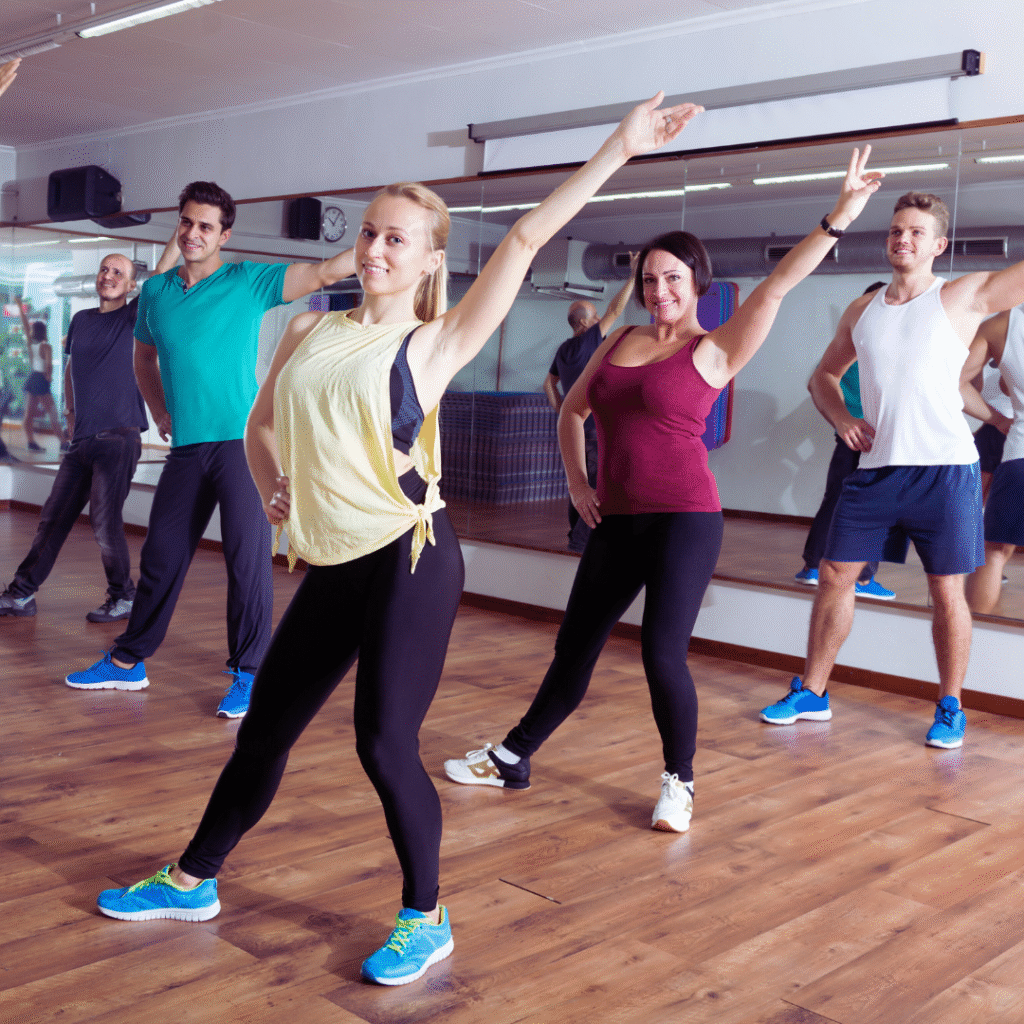
- Dance Classes: Engaging in Zumba, salsa, or hip-hop sessions.
- Outdoor Adventures: Activities like hiking, rock climbing, or cycling.
- Fitness Games: Participating in activities such as kickball or frisbee.
These activities not only help in developing strength and endurance but also allow for spontaneity and creativity, distinguishing them from conventional workouts.
Differentiating Play from Traditional Exercise
While traditional exercise often focuses on structured routines and specific goals, play emphasizes enjoyment and exploration. Key differences include:
- Flexibility: Play allows participants to adapt activities based on preference and mood, contrasting with the rigidity of conventional workouts.
- Social Interaction: Playful activities often involve teamwork and shared experiences, fostering relationships and community.
- Reduced Pressure: In a playful setting, the emphasis shifts from performance to enjoyment, reducing stress associated with traditional exercise metrics like weights and reps.
This shift encourages continued participation and improved adherence to fitness goals.
How Play Elevates Exercise Enjoyment
Engagement in playful activities can significantly enhance the enjoyment of exercise. Factors contributing to this include:
- Increased Motivation: Play creates intrinsic motivation, as individuals are more likely to participate in activities they find enjoyable.
- Variety: Incorporating play introduces diverse experiences, combating monotony that can accompany traditional workout routines.
- Improved Mental Health: Activities rooted in play can elevate mood and reduce anxiety through the release of endorphins, making exercise feel less like a chore.
By prioritizing play in fitness routines, adults can forge a more positive relationship with physical activity, leading to long-term commitment and improved health outcomes.
Physical and Mental Health Benefits of Play
Engaging in play offers significant advantages for physical and mental health. These benefits contribute to a stronger body, improved cognitive abilities, and enhanced emotional well-being.
Boosting Physical Health and Preventing Disease
Play serves as a dynamic way to improve physical health, encouraging regular movement that can decrease the risk of chronic diseases. Activities such as sports, dancing, or recreational games elevate heart rates, which can strengthen cardiovascular health and reduce the likelihood of conditions like cardiovascular disease and type 2 diabetes.
Participating in playful activities also promotes better mobility and flexibility. Individuals who regularly engage in play may experience a lower incidence of influenza and other infections due to improved immune function. By maintaining an active lifestyle, they cultivate not just strength but overall well-being.
Supporting Brain Health and Cognitive Function
Play positively impacts brain health by fostering neural connections and improving cognitive functions. Engaging in playful activities that require problem-solving, strategy, or teamwork can enhance memory and creativity.
Research indicates that regular intellectual challenges can reduce the risk of cognitive decline and disorders like dementia in later years. Activities that involve social interaction are particularly effective, as they stimulate both mental engagement and emotional connections, crucial for maintaining cognitive health.
Reducing Stress, Anxiety, and Depression
Incorporating play into daily routines is an effective method for managing stress and alleviating anxiety and depression. When individuals engage in enjoyable activities, their bodies release endorphins, natural stress relievers that improve mood.
Playful interactions foster a sense of belonging and purpose, factors known to combat feelings of isolation or hopelessness. The lighthearted nature of play encourages mindfulness, drawing attention away from worries and promoting a more positive state of mind.
Promoting Emotional Well-Being and Happiness
Emotional well-being is significantly enhanced through play, as it provides a necessary outlet for self-expression and creativity. Enjoyable pastimes can boost self-esteem and foster a positive self-image.
Additionally, play allows individuals to connect with others, essential for building supportive relationships. These social bonds contribute to a greater sense of happiness and fulfillment in life, reinforcing the importance of play in promoting emotional health.
Understanding these benefits underlines the vital role that play can have in a well-rounded fitness routine.
Social and Psychological Value of Playful Fitness
Playful fitness activities provide significant social and psychological benefits. Engaging in these activities can enhance connections with others, improve self-esteem, and spark creativity through new experiences.
Forming and Strengthening Social Connections
Participating in playful fitness fosters relationships among individuals. Group activities, such as team sports or fitness classes, facilitate interaction and collaboration.
Players can share goals, celebrate achievements, and support each other. Such positive social dynamics contribute to lasting friendships.
Moreover, these connections can reduce feelings of loneliness and isolation. Regular engagement in group fitness creates a community that encourages ongoing participation.
Enhancing Self-Esteem and Confidence
Incorporating play into fitness routines can lead to increased self-esteem. When individuals participate in games or playful workouts, they often feel more relaxed and open.
Achievements, whether small or significant, help boost confidence levels. Completing a challenging obstacle course or mastering a new skill reinforces an individual’s sense of capability.
Additionally, a playful environment encourages risk-taking without the fear of harsh judgment. This supportive atmosphere promotes personal growth and self-acceptance.
Fostering Creativity and New Experiences
Playful fitness encourages exploration and creativity. Activities that incorporate games often require innovative thinking and adaptability.
Individuals can experiment with different forms of exercise, such as dance, martial arts, or adventure sports. This exploration not only strengthens physical abilities but also enriches personal experiences.
Trying new games or participating in unique fitness challenges stimulates the mind and keeps routines fresh. Engaging in novel experiences can reignite motivation and enthusiasm for fitness.
Integrating Play into Your Adult Fitness Routine
Incorporating play into fitness routines enhances motivation and enjoyment. Engaging in games, sports, and playful activities creates a more dynamic exercise experience, leading to better adherence and overall satisfaction.
Incorporating Games and Sports
Games and sports can be excellent ways to integrate play into fitness. For instance, joining a local soccer or basketball league can turn routine workouts into competitive and social events.
Benefits of team sports include increased motivation and accountability. Participating in games also adds an element of fun that traditional workouts may lack.
Options such as tennis, ultimate frisbee, or volleyball provide varied challenges, improving both cardiovascular fitness and endurance. Incorporating these activities into a weekly routine can dramatically enhance enjoyment and commitment to physical fitness.
Exploring Playful Physical Activities
Playful physical activities encourage movement without the perception of exercise. Dancing, hiking, or even engaging in scavenger hunts can be both enjoyable and beneficial for fitness.
Dance classes, such as Zumba or ballroom, often have a social aspect, making them exciting ways to burn calories. Hiking, especially with friends, allows for exploration and connection with nature while improving cardiovascular health.
Additionally, activities like yoga or martial arts foster flexibility and mindfulness through engaging practices. The key is to choose activities that resonate personally, making fitness feel less like a chore and more like an enjoyable escape.
Practical Tips for Building a Playful Exercise Habit
Building a playful exercise habit can start small and grow over time. First, consider setting aside regular times for playful activities, transforming them into appointments just like any workout session.
Engaging with friends can also increase commitment. Group activities create accountability and enjoyment. Simple games, like tag or capture the flag, can be played in parks for a good workout.
Utilizing apps or local resources can provide options for finding playful classes or leagues nearby. Experimentation is vital. Trying different activities can help identify what feels most enjoyable and foster a lifelong commitment to fitness through play.