
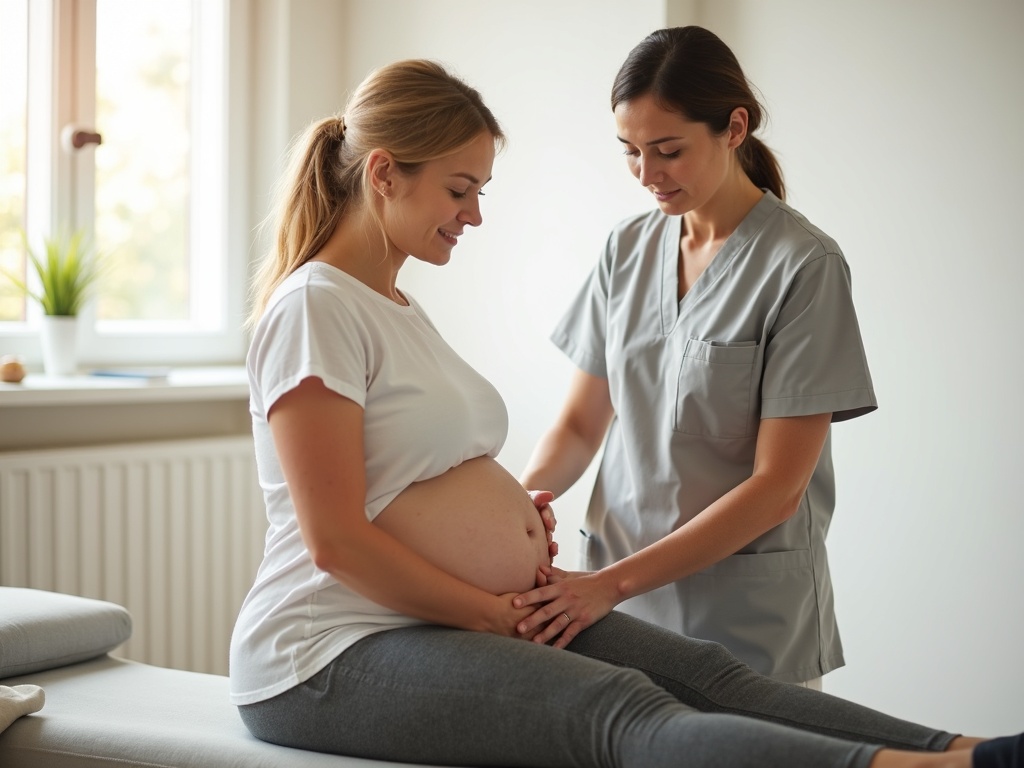
Preparing Your Body for Birth: The Case for Physio-Led Pregnancy Care
Most conversations about preparation for birth tend to revolve around the same things, birth plans, hospital bags, breathing techniques. And while that’s certainly all important, there’s a whole aspect of preparation that never gets considered, and arguably it’s the most critical, and that’s the physical, biological preparations that occur and how one can genuinely support them long before labour even begins.
Pregnancy is the most traumatic experience the musculoskeletal system will ever endure, as joints realign, posture shifts, pelvises expand and abdominal muscles stretch beyond capacity over nine months. For many women, the experience is painful, uncomfortable and leaves them feeling like strangers in their own bodies. Yet much of this can be managed, and even prevented, with proper support.
Why Physical Preparation Gets Overlooked
There’s a culture, an overwhelming one, that suggests that discomfort during pregnancy is par for the course and must be dealt with. Back pain, pelvic discomfort, urinary incontinence when sneezing, these all too quickly become normalized for women who soon find themselves reluctant to mention them to anyone at all. And it’s a shame, because most of them are responsive to quality care.
Yet a pregnancy physiotherapist offers an avenue that traditional pregnancy care does not, focused, clinical assessments on how the body is actually maintaining itself through the strains of pregnancy. Not because we want to treat something special like a condition that needs fixing but because an incredible natural feat is underway and could use a little help getting there.
What This Kind of Care Actually Entails
Many believe that pregnancy physio involves gentle stretching and a pamphlet handed out about pelvic floor work. Not exactly, the assessment is focused on how the body is moving (or not), where loading is malapportioned, which structures are under stress and what has already begun to present as painful. It’s much more scientific and specific compared to generalized recommendations given to most women along their journey.
Posture and gait are assessed, pelvic girdle stability is tested, and even how the abdominal muscles are utilizing compensation efforts throughout the nine months is noted, after all, this area provides functional stability for all but it also has its own important component, the pelvic floor, which is probably the most important part about it all, and arguably the most mismanaged.
Most people assume that pelvic floor work means tightening and strengthening, but for birth, it needs to relax and lengthen, and often on a dime. Coordinating this response is genuinely helpful for those who’ve learned how to navigate this beforehand, instead of receiving vague instructions leaving them wondering if they were actually accomplishing a goal.
The Pain That Gets Dismissed
Pelvic girdle pain happens more often than people realize, it can be tender or it can be so acute that stepping from one side of a parking lot to the other feels like Olympic training. Either way it tends to worsen as pregnancy progresses unless something is done about it, but most women are told just to deal with it.
The same goes for back pain, but even lower back pain in complicated pregnancies brings additional stresses that come on their own accord; the center of gravity shifts, adjustments occur, muscle imbalances happen over time, and yet the general recommendations seem to suggest rest and time. Manual therapy, specific strengthening needs and adjustments to loading can prove effective, many times faster than anticipated.
Round ligament pain, sciatica, even rib pain and carpal tunnel present themselves during pregnancy for structural reasons, and often exposed by a physio will take them seriously instead of throwing them under the "normal pregnancy problems" list.
How Preparing Before Birth Affects Recovery After It
This often surprises people, the fact that what’s happening physically during pregnancy has great impact on what happens afterward in recovery, but it’s true. Women who’ve prepared their pelvic floors to relax and lengthen have maintained some sort of functional strength post-birth and have engaged their weaknesses in postural assessments have found recovery far more manageable (not easy, but more manageable).
This isn’t a guarantee as there are many factors outside of anyone’s control with birth but for those have prepped within an empowered environment have generally been in better positions. Muscles that are one with themselves respond better; joints that have been taken care of position themselves more appropriately once loading changes.
Rethinking What Preparation Actually Means
There’s a new approach where this is concerned, that moves beyond symptom management into genuine physical well-being. Not because pregnancy is a problem but because pregnancy will put the body through some of the hardest work it will do in its life, and going into it feeling prepared will always be better than the alternative.
The women who benefit most from pre-birth physio care are often those who never thought they needed it in the first place. Pain they’d accepted to be unavoidable became manageable; issues they’d never even correlated with pregnancy made sense with explanations and solutions. Having the due date roll around feeling good physically (not just mentally) is worth far more than most give credit for.