
Building a Natural Pain Management Toolkit: Beyond What’s in Your Medicine Cabinet
Pain naturally occurs through our body for various reasons. Natural approaches to pain management entail building a toolkit beyond what’s in your medicine cabinet to cover your unique needs as they come about.
Eventually everyone in pain realizes that pills are not necessarily the answer. Whether it’s side effects, dependence, or just wearing out its welcome over time, people start to think outside of the box to become their own pain managers.
But natural approaches do not have to replace everything with herbs and good intentions. They can form a reasonable toolkit that actually addresses various types of pain with an approach that’s more palatable for the body than just symptom reduction and masking avoidance.
Why a Multifaceted Approach Makes Sense
When one method is used and it either stops being as effective over time or fails to even address the base of why pain is occurring in the first place, it’s clear that a multifaceted approach is necessary. Pain is complicated. From inflammation to muscle tightening to nerve responsiveness to structural deficits, each diagnosis and its corresponding contribution comes with something that another method, above all others, can do or not do to help.
We have distinct pathways and mechanisms for pain. Some forms of pain are inflammatory in nature, where we have active tissues swelling and causing discomfort. Other pain is from overuse, excessive tension and lack of blood flow. Then we have the pain that’s caused from nerves, a completely different ballgame.
The body has a myriad of ways it works with these complications but rarely do any formulations help all aspects go good or bad. Thus the majority of people who’ve learned to live with chronic pain have a host of tools, of which, they draw upon daily for what’s bothering them on any given day.
Topical Potentials for Direct Pain
If you’re experiencing pain at a joint, muscle, or specific location, topical applications make more sense than taking something orally to work through the body at a systemic level. As a result, you can get active products exactly where you need them without the rest of your body having to process them.
Arnica is a common, albeit tested by many skeptics, solution for bruising and sore muscles. But studies show it works for inflammation at a cellular level and decreases healing time significantly, meaning those who’ve strained beyond what they believe their typical limit can still gain some relief after serious workouts/sports incidents/minor accidents.
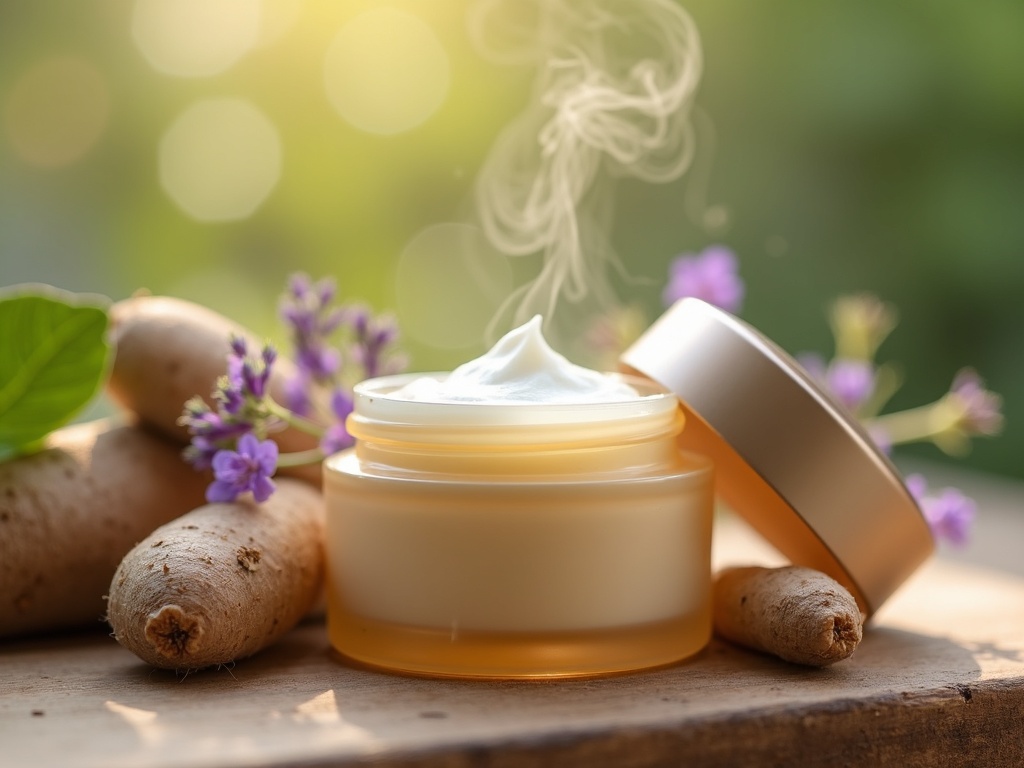
Wild yam-based topicals are also growing in popularity for muscle and joint pains. An active phytochemical in the plant known as diosgenin has anti-inflammatory properties and those who’ve applied the topical have found relief without inflammation. Consider options like Wild Yam Cream for a natural topical alternative replacement to generic creams. There are many active options that can be applied multiple times daily to knees and backs that have fewer consequences than potent oral solutions.
Capsaicin cream works with nerve pain differently, though; found in hot peppers, it burns at first but depletes substance P (a neurotransmitter associated with pain sensations). Those with chronic nerve issues or arthritis often swear by it once they get through initial discomfort.
Movement Related Help
This may not seem like intuitive advice when something hurts but generally speaking, when something is sore, avoiding movement is not the best answer, controlled movement often is exactly what’s needed for chronic pain. However, what’s important is knowing what to avoid versus what can help.
Gentle yoga and stretching help fascial tightness and muscle strain that creates negative feedback loops of pain cycles. Oftentimes people will push through the pain but the goal here is gentle movement, not painful movement, to work within limits through stretching and breathing over time. This gradually increases flexibility without creating compensatory patterns that meet other forms of pain down the road.
For instance, if someone has knee pain, they might want to strengthen their knee joint but it’s likely their hips and core are weak as well. Lower back pain frequently finds comfort when people strengthen their glutes and deep abdominals. It’s not about getting ripped; it’s about preventing nearby structures from having to work harder than necessary so those joints get more support.
Walking seems like too easy of an answer but regular walks help circulation and decrease inflammatory markers without being high impact per effort. Especially for those with widespread issues (or fibromyalgia), walking may be the only option that doesn’t trigger episodes.
Anti-Inflammatory Eating
Foods can affect pain sources more than we realize. There are many inflammatory processes going on within our bodies that do not stem from injury; they’re exacerbated by what we’re putting in our bodies which promote inflammatory pathways.
Fats provide substantial anti-inflammatory benefits; omega-3 derived from fish, walnuts and flaxseed boast legitimate anti-inflammatory attributes found by tested studies proving that people who substitute more omega-3’s instead of omega-6 (found in almost all vegetable oils and processed options) find their arthritic issues better, autoimmune conditions benefit and their generalized inflammatory pain decreases over time.
Turmeric and ginger both contain compounds that inhibit inflammatory pathways; turmeric possesses curcumin which is poorly bioavailable when taken alone so consider mixing in with black pepper or taking in a lipid base. Better yet consistently adding these spices into foods provides benefits regardless of accessible concentrated doses.
In addition, it’s not just weight management; decreasing sugar intake and refined carbohydrates help offset high blood sugar levels which promote inflammatory processes and worsen sensitivity levels in general. People who trim excess carbs often find their base pain levels diminish over the course of weeks when this is the only change they’ve made.
Mind/Body Assessment Relief
Pain isn’t just processed through our nervous system; it’s impacted by stress levels, sleep quality, emotional state and while this doesn’t mean people are making things up "in their heads", it is clear that when people address these variables pain becomes better managed.
Meditation has been studied extensively relative to chronic pain deterrents; information suggests this means the brain changes how pain signals come through but not eliminated. Instead, people who find regular practice say it’s there but less obtrusive/irritating.
Breath work focuses on tension building pain; when someone is in discomfort, they often tense surrounding areas which creates additional barriers as blood flow gets restricted. Once they’re assessed and tension cleared, the pain-tension cycle is stopped.
Finally (but important enough for its own category), sleep deprivation decreases baseline thresholds significantly; poor sleep ruins pain experiences. Pain disrupts sleep, and poor sleep makes pain worse, a perpetual cycle no one wants. Pain assessment often increases people falling asleep but if they work on sleep hygiene with dark cool rooms and regular sleep schedules, they’ll get longer sleep better with less immediate deterrents.
Thermal Applications
Temperature is great but inappropriately used; ice should never go on something that needs heat applied, and vice versa.
Ice decreases acute inflammation and numbs signals; it’s best used 48-72 hours post-injury or active inflammation prompting flares up, but chronic inflammation should not be iced if it’s not acutely inflamed or else blood flow will be restricted even more.
Heat expands circulation and relaxes tightened tissue, those suffering from chronic arthritis have success with chronic heat applications, a heating pad before bed works wonders for those living with nighttime challenges too.
Similarly contrast applies hot then cold then hot, this is effective for relief as well as muscle recovery; it combines pumping so circulation is increased then decreased for the area needing attention greater than each temperature can provide alone.
Putting It All Together
No one should need to try everything or assume natural approaches will solve any serious issue, but acknowledging that there are many options out there for real meditative responses means that some will work for what’s applicable whenever it’s applicable.
One day may call for topical applications and gentle movements; another day may need contrast therapy approaches and extra pinpoints on eating concerns or other topical realities. Having more tools at one’s disposal means flexibility over reliance on a single option that may or may not be successful day by day.