
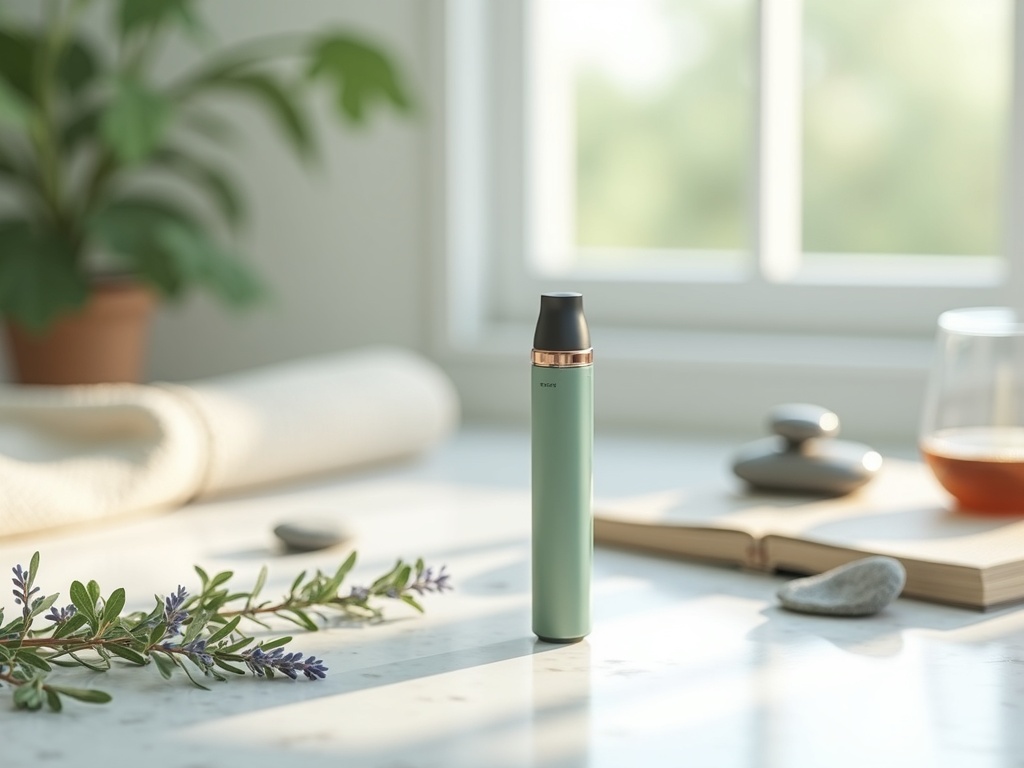
How Wellness-Focused Vaping Products Are Changing Health Habits
The vaping industry hasn’t just expanded; it’s differentiated. For many, "vape" equals nicotine products. But there’s a whole new category that has little to nothing to do with it aside from the delivery system.
Wellness-centric vaping products are on the rise because it’s addressing a need. People want convenience for their health and with typical vaping and all of its negative connotations, this seems a safer option. There’s no nicotine, no concerns about addiction. There are botanical infusions, vitamins, and other naturally occurring vapors. It’s what people are already putting in their bodies; it’s just a different way to absorb it.
It’s easy to see how the appeal makes sense. Existing supplements are fine but they’re not always convenient. Pills take time to digest. Tinctures taste gross. Powders need to be mixed. This is a happy medium—a quick delivery system that works through something that absorbs just as fast as putting it in the stomach without the existing process.
How They’re Different
First and foremost, the ingredients within wellness vapes are different from nicotine vapes. The goal of a nicotine vape is to get nicotine. You mix it with some flavoring and carrier liquid for taste and ease. For wellness vapes, the nicotine is cut entirely. You can have melatonin for sleep support, vitamin B12 for energy, or herbal infusions that have been around for ages.
In addition, companies treat their ingredients differently. After years of crossover between major vaping companies and dubious standards, the world of wellness-infused vapes has jumped on board with transparency. They explain what’s in their products and why. HealthVape is one brand that breaks ingredients down fully, so you know exactly what you’re inhaling and why.
That set a new expectation. Now people want all ingredients before they commit to purchase—third-party testing matters. Where ingredients come from matters. Proprietary blends aren’t impressive when it comes to wellness vapes; they need to be transparent.
The Botanical Factor
None of these supplements are new substances. Chamomile has been known for centuries as a calming agent. Ginseng is energizing; passionflower can relieve stress—people have been absorbing these for decades when they make teas or concoct tinctures.
Vaping is new-age because it changes the delivery time. The lungs allow for absorption into the bloodstream without being processed through the gastrointestinal tract, making it fast-acting. If you need stress relief, you don’t need 45 minutes worth of digestion to find relaxation at bedtime.
Additionally, most products require a blend of ingredients. Sleep support combines melatonin with chamomile and lavender; energy blends often infuse B vitamins with ginseng and guarana. It’s assumed that these work better together although science hasn’t fully caught up to validate every claim.
But quality counts with botanicals; you can’t assume any chamomile extraction will work the same way. It doesn’t. It also doesn’t go for all ginseng. Companies that use quality infused products and vetted sourcing tend to see better results when it comes to effectiveness—this is where the reputation of a company and quality of ingredient transparency become key.
Who Switches
People who use these wellness vapes come from different backgrounds. Some have weaned off nicotine vapes but needed something else for stress; others haven’t touched nicotine in their lives but view wellness vapes as convenient, portable health supplements, like vitamins you can take anywhere.
It’s also a ritual—just inhaling deep and exhaling can be calming before even getting to what’s in the vape. Add into the mix compounds that explicitly dissolve stress, and that’s a double-whammy effect for something that would otherwise be one process alone. That dualism of breathing as an exercise plus active compounds renders more effective treatment than either could supply on their own.
Convenience is also a factor—a small device trumps multiple supplement bottles any day. The results come quicker than pills do; for busy people needing health support throughout the day, this is key. One can keep wellness vapes in bags or pockets to use when needed rather than waiting until they get home.
Transparency is Key
Companies aren’t messing around anymore; full transparency is expected now—with ingredient disclosure what’s in the product, where it comes from, if third-party testing has been completed, all extras that used to be promoted as positives are now common sense.
Clear labels make clear decisions possible. It’s more helpful to read "vitamin B12, green tea caffeine, guarana extract" than "proprietary energy blend." This doesn’t help anyone make sense of mystery substances or wonder what they’re actually putting in their bodies.
This also helps cut fillers and additives that would otherwise be questionable. Companies who put clean ingredients where every piece has a purpose—whether it’s bulk or creation ease—are cutting recognizable substances that don’t need to be there if there’s no strong reasoning besides cheap manufacture.
The Real-Life Application
Most people don’t use these as miracle fixes—they’re part of bigger contributions. Exercise, better eating, stress management; this just becomes one small tool instead of the entire solution.
It works by matching tools with moments. Afternoon slump? Maybe try a B vitamin vape instead of another cup of coffee if you don’t want to crash post-lunch. Finding it difficult to unwind before bed? Try a botanical blend instead of forcing through another episode until sleep comes naturally. Small adjustments become realistic when they actually make sense in daily life.
Expectations should be set realistically; they compound on wellness goals but don’t replace sleep/exercise/nutrition: they fill gaps during energy downturns/stress-induced upswings/troublesome relaxation at bedtime. When used this way, they actually work well.
The Future Where Things Are Going
Wellness vaping is new but it seems like an obvious trajectory. More people would like alternatives to supplements. More people would like transparent sourcing and clean ingredients. This market grows as companies remain honest with well-researched standards.
Those products that work best get used strategically—the right ingredients for the right situations—and they become tools not miracle cures. This transfer from nicotine to botanical blends and vitamins shows a legitimate transformation in what inhaled products can do for everyday wellness routines.